

Rare Earths Labrador — Newsroom
Sustainability & Responsible Development
ESG performance is not a reporting obligation for us — it is the operational and commercial foundation on which Rare Earths Labrador is built.
Our ESG Framework
Integrated ESG Performance Approach
Environmental stewardship, social responsibility, and governance transparency embedded across every phase of the project lifecycle, not layered on after the fact.
Three Pillars. One Unified Standard of Performance
Enviromental | Social | Governance
Rare Earths Labrador’s ESG framework is built on the recognition that environmental, social, and governance outcomes are not independent variables they are interconnected commitments that reinforce one another. A strong environmental record depends on rigorous governance. Community trust depends on transparent social programs and accountable governance structures. And long-term licence to operate depends on all three working in concert.
The sections below illustrate how each pillar translates into operational practice — from exploration baseline studies and community hiring to board-level oversight and third-party audit verification.
Environmental Stewardship
Operating in Canada’s Key Ecological Region
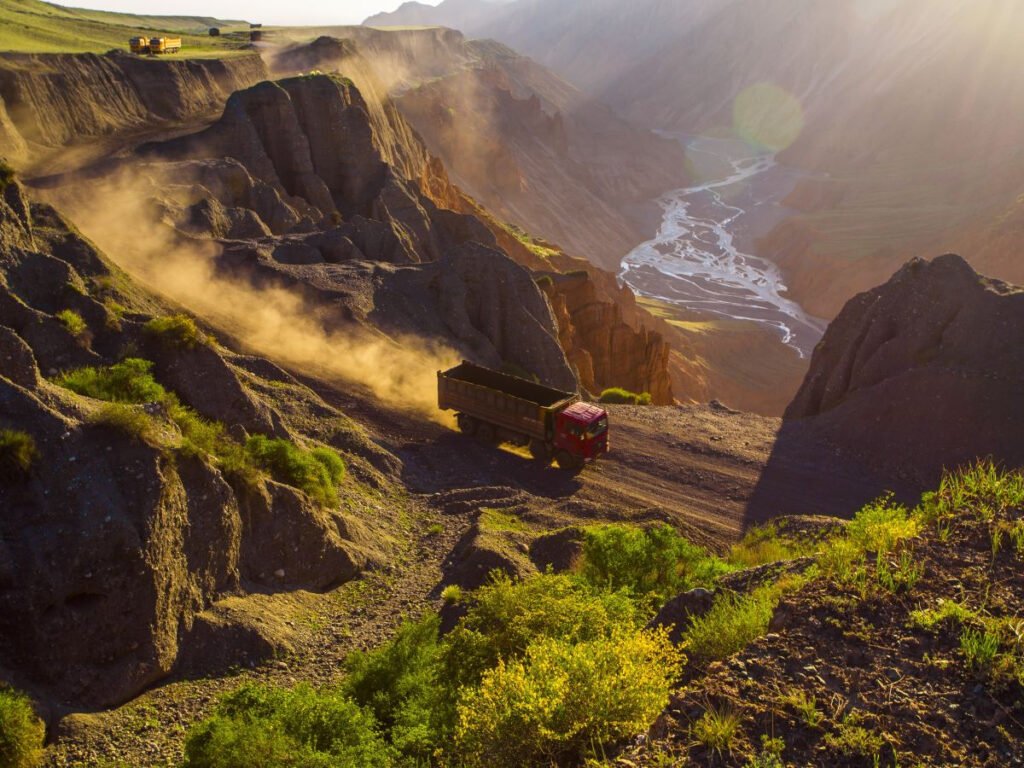
Labrador’s subarctic and taiga ecosystems are among the least industrially disturbed environments in North America. They support significant biodiversity, large caribou herds, complex wetland networks, and river systems of critical importance to both wildlife and Indigenous communities. Operating responsibly in this landscape requires more than regulatory compliance — it demands a genuine commitment to leaving the land in a condition that future generations can be proud of.
<25%
Typical cost premium of high ESG standards vs. conventional operations
2028
Expected completion of impact assessment for major Labrador REE projects
50+
Countries implementing EITI transparency frameworks, including Canada
30%
Surge in Canadian rare earth exploration projects recorded in 2024 alone
Environmental innovation is central to Canada’s rare earth development model. Major projects across Labrador and Quebec are deploying metallurgical processing in place of older, more polluting extraction techniques reducing both toxic waste and water usage. Satellite-based and non-invasive prospecting technologies further reduce early-stage ground disturbance, limiting surface impact during the exploration phase.
Rare Earths Labrador applies these methods as standard practice not as differentiating features, but as the minimum acceptable operating threshold for a company with long-term ambitions in this region.
From Exploration to Rehabilitation
A Lifecycle Commitment
Responsible extraction is not a single practice or policy it is a discipline applied consistently across every phase of a project’s life. The following outlines how Rare Earths Labrador’s operational standards are applied from initial ground engagement through to post-closure stewardship.
Exploration Non-Invasive First
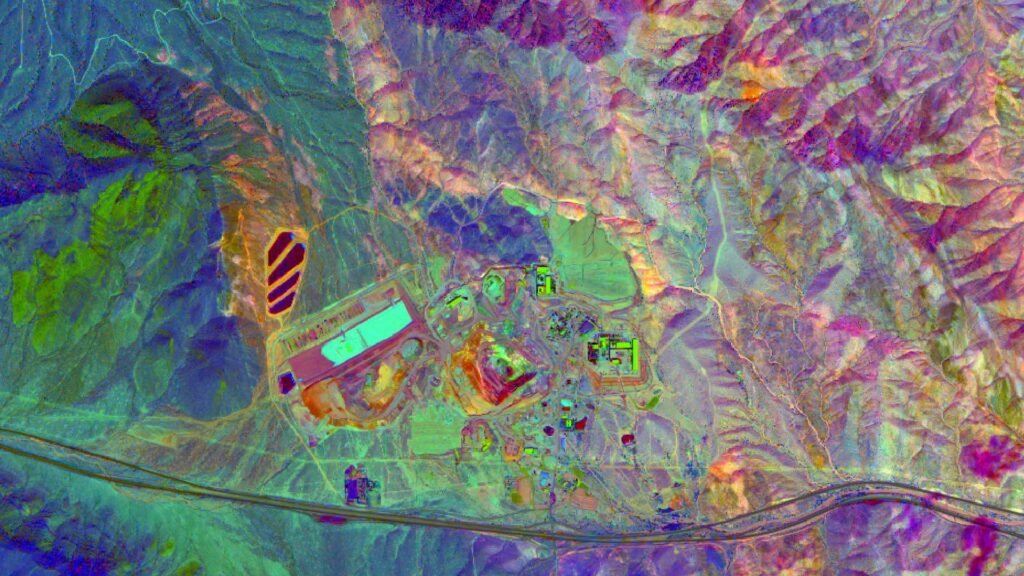
Remote sensing and geophysics are used before ground work to reduce impact, cost, and timelines.
Environmental & Social Baselines
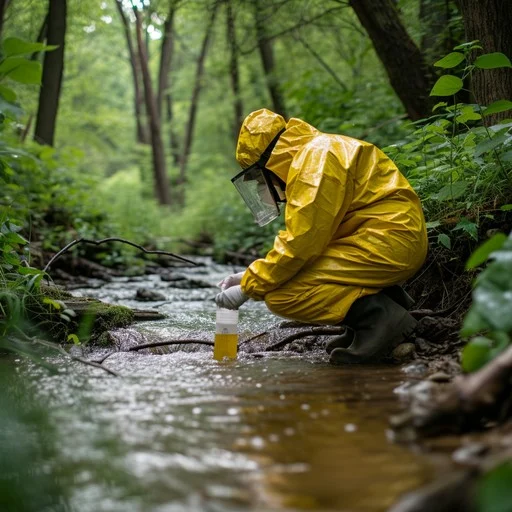
Baseline studies cover biodiversity, water, soil, air, and communities to track performance.
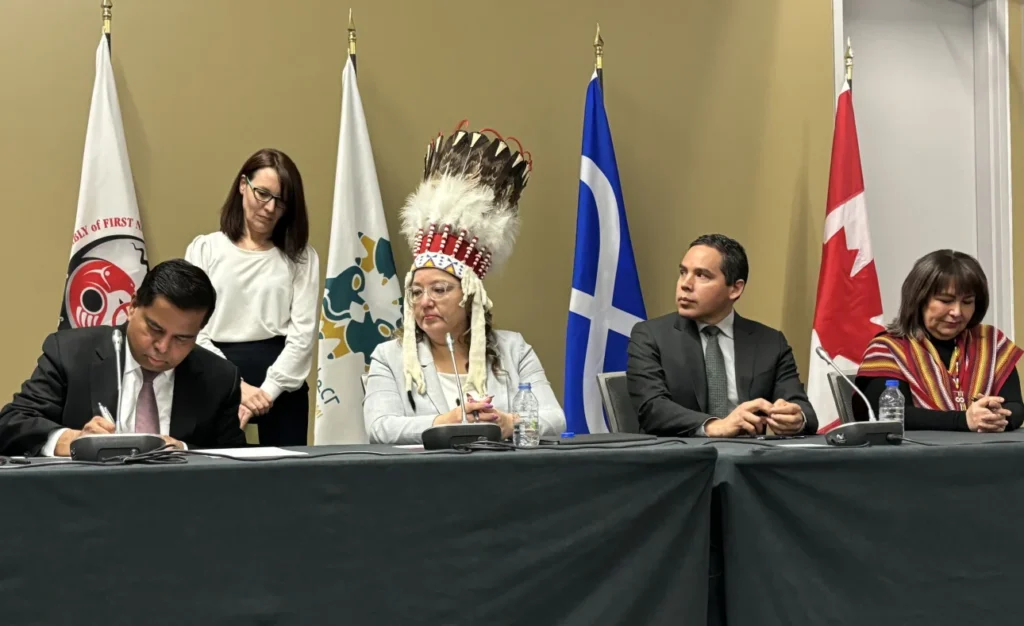
Impact Assessment
Projects undergo rigorous regulatory review with public and Indigenous engagement.
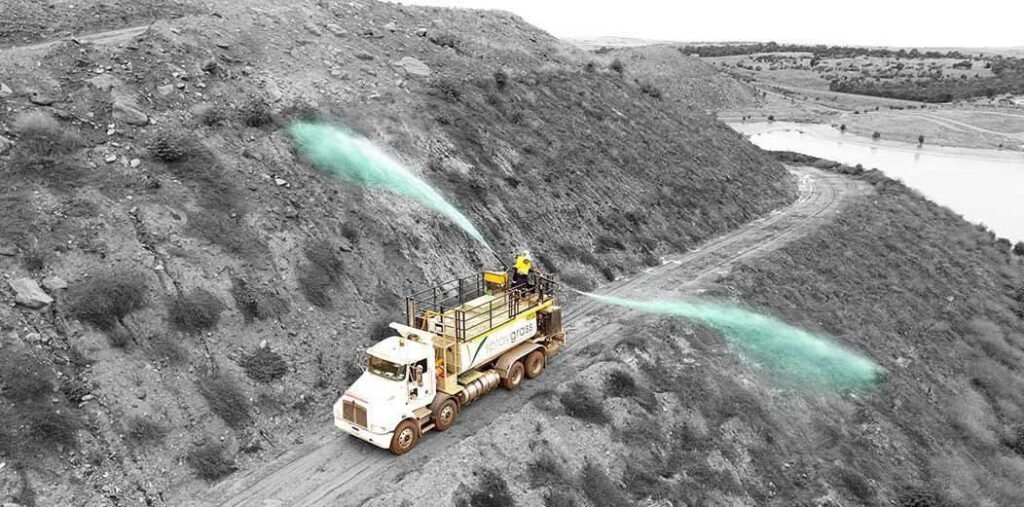
Low-Footprint Operations
Cleaner processing, controlled emissions, and minimized waste reduce environmental impact.
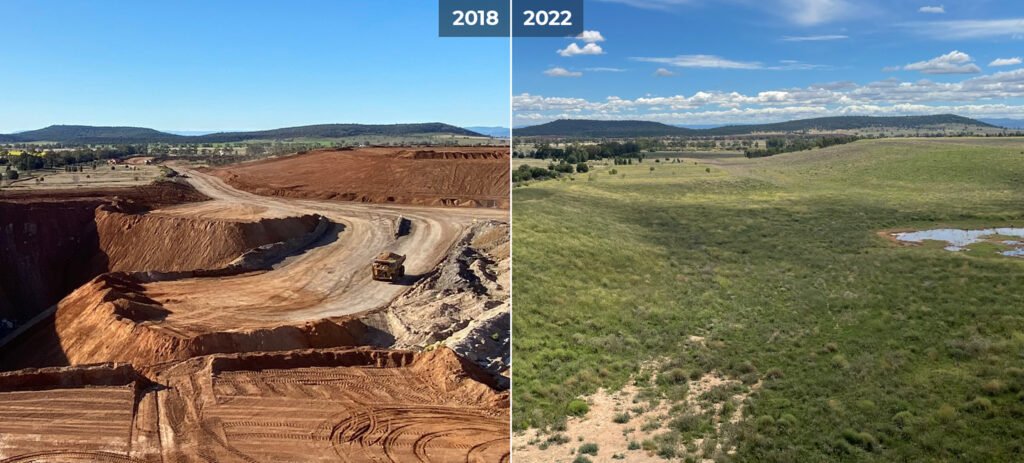
Progressive Rehabilitation
Rehabilitation happens during operations, with soil and waste managed for restoration.

Post-Closure Stewardship
Closure funding and long-term monitoring ensure ongoing environmental compliance.
Social Responsibility & Community Benefit
Creating Lasting
Regional Value
Resource development in remote regions has a long and uneven history of generating wealth for distant shareholders while leaving host communities with limited long-term benefit. Rare Earths Labrador is committed to a fundamentally different model — one where communities in the project area are genuine participants in the value created, not merely neighbours to it.
This commitment is structural, not discretionary. Community benefit is built into our project planning from inception, not introduced as a public relations response at the permitting stage.
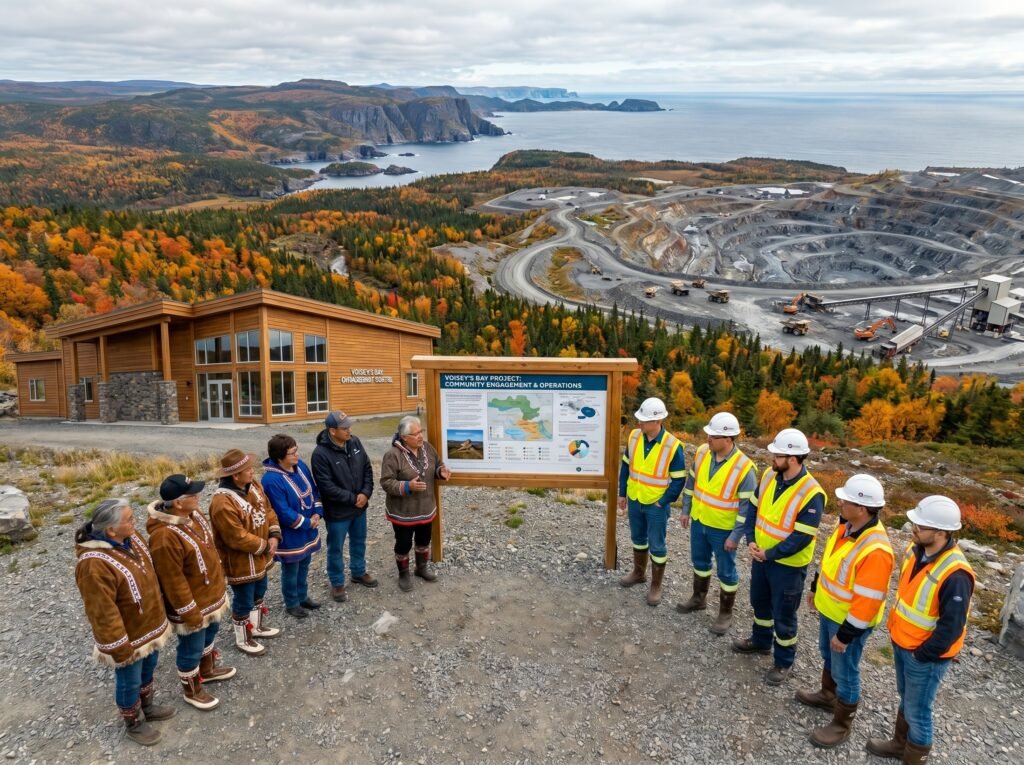
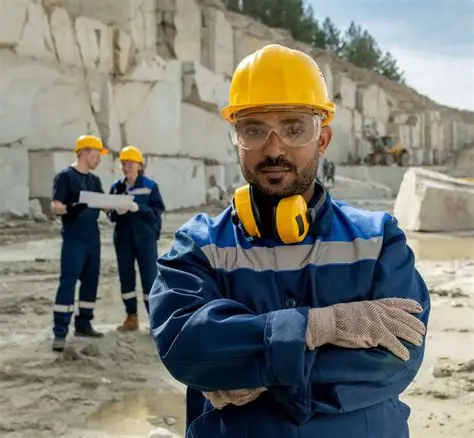
Direct Employment
Prioritized local and regional hiring across all skill levels from technical and trades roles during construction through to long-term operational positions spanning the project life cycle.
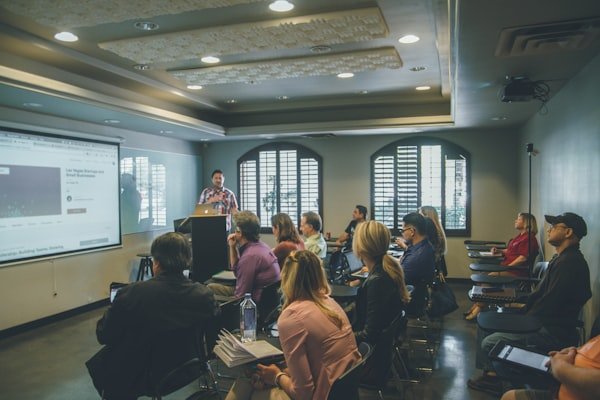
Training & Skills Development
Partnerships with regional educational institutions to build workforce capacity in mining trades, environmental monitoring, safety, and technical operations.
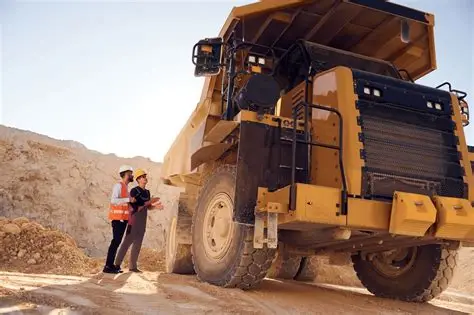
Local Procurement
Preference for local and regional suppliers across construction, logistics, catering, equipment maintenance, and professional services.

Community Investment Fund
A dedicated fund directing a portion of project revenues to community priorities including infrastructure, social services, cultural programs, and Indigenous economic development initiatives.

Infrastructure Co-Benefits
Transportation and port infrastructure developed for mining operations is designed where possible to serve broader regional connectivity needs — reducing isolation and improving access for communities.

Health & Safety Programs
Occupational health standards that meet or exceed regulatory requirements, with zero-harm targets and active safety culture programs extending to contractors, subcontractors, and project-related visitors.
Governance & Compliance Practices
Operating Within the World's Most Rigorous Regulatory Framework
Canada’s mining regulatory environment is among the most comprehensive in the world spanning territorial legislation, overlapping responsibilities for environmental protection, Indigenous rights, occupational health, and financial assurance. For Rare Earths Labrador, this framework is a foundation of operational certainty, not a bureaucratic obstacle.
The following regulatory instruments and standards govern our operations and are actively integrated into project planning at every stage.
Impact Assessment Act (IAA) — Canada
Federal assessment framework governing major project approvals. The IAAC has committed to completing assessments within two years, providing greater certainty for project planning and financing timelines.
Newfoundland & Labrador Mining Act
Provincial legislation governing mineral tenure, environmental protection, operational standards, and mine closure requirements within the province. Compliance is maintained through proactive engagement with provincial regulators.
Extractive Sector Transparency Measures Act (ESTMA)
Annual disclosure of all material payments made to governments in Canada and abroad. ESTMA reporting is a cornerstone of our anti-corruption and payment transparency commitment.
UNDRIP & Indigenous Rights Obligations
Compliance with the UN Declaration on the Rights of Indigenous Peoples as embedded in Canadian federal law, including requirements for meaningful consultation and Free, Prior, and Informed Consent (FPIC) processes.
Towards Sustainable Mining (TSM)
Industry-led sustainability performance framework developed by the Mining Association of Canada. TSM indicators cover energy use, greenhouse gas emissions, water stewardship, tailings management, and biodiversity conservation.
TCFD Climate Disclosures
Climate-related financial disclosures aligned with the Task Force on Climate-related Financial Disclosures framework — providing investors and lenders with structured analysis of physical and transition climate risks across our project portfolio.
For buyers, offtake partners, and institutional investors, compliance is must, ESG leadership is the differentiator. Canadian rare earth producers that combine world-class regulatory compliance with proactive ESG performance are increasingly preferred by manufacturers in the electric vehicle, defence, and clean energy sectors who require verified, transparent supply chains that withstand third-party scrutiny.
Rare Earths Labrador is committed to building and maintaining that standard not because it is required, but because it is what responsible mining looks like in 2026 and beyond.
Partner with Rare Earths Labrador
Interested in our mineral assets, investment opportunities, or community engagement.