

Rare Earths Labrador — The Region
LABRADOR & ITS RESOURCES
Resource-rich region with strong rare earth potential and a stable
strategic supply base.
Regional Geography
The Big Land
Labrador's
Geographic Profile
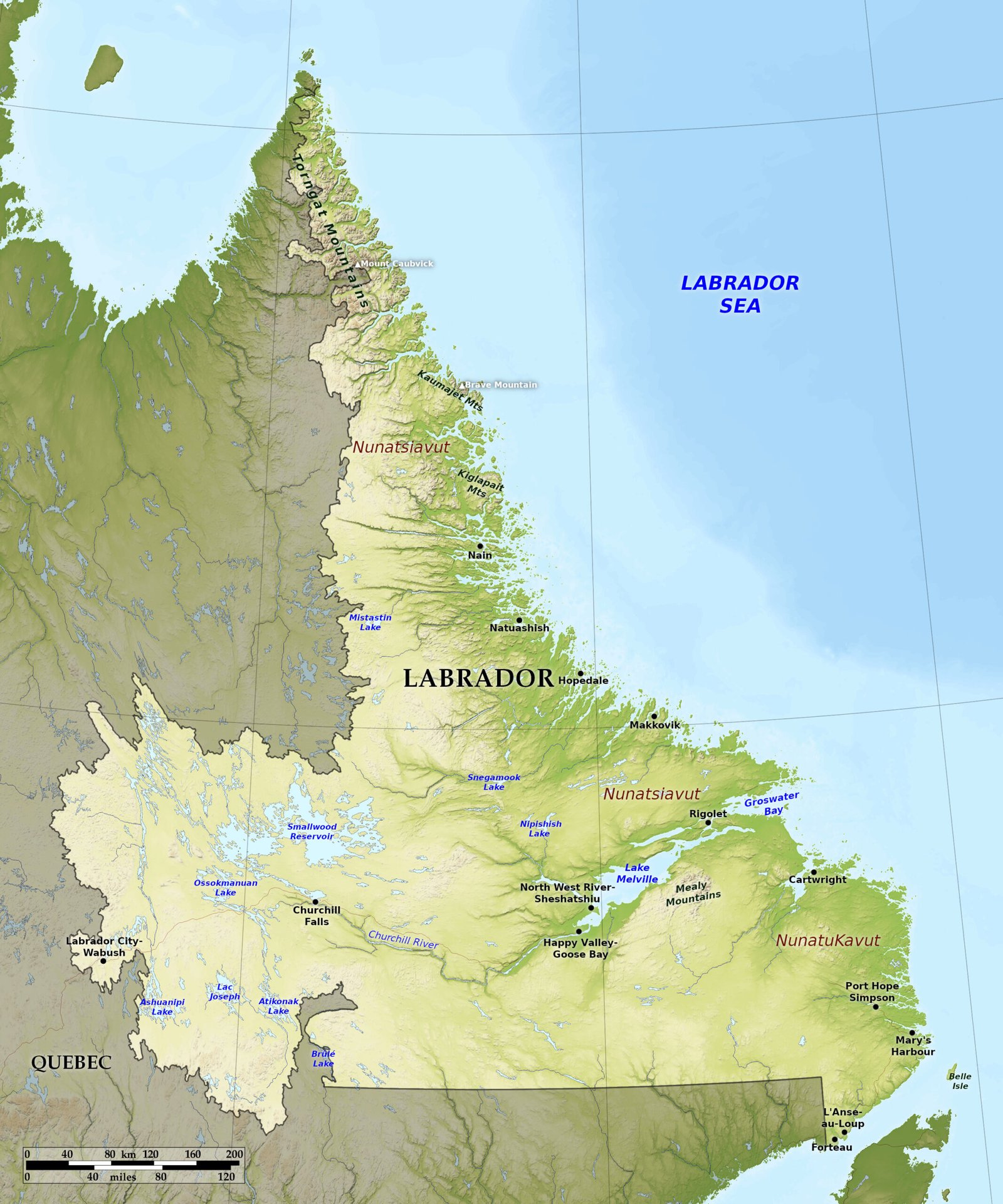
Labrador forms the mainland portion of the province of Newfoundland and Labrador, constituting 71% of the province’s total land area while being home to approximately 6% of its population. Situated on the easternmost section of the Canadian Shield, one of the most ancient and mineral-rich geological formations on Earth, Labrador encompasses approximately 294,330 square kilometres of subarctic and polar terrain, bordered by Quebec to the west and the Labrador Sea to the north and east.
North Coast
Polar tundra climate. Home to the Torngat Mountains and remote Inuit communities of Nunatsiavut. Exceptionally rugged terrain with limited infrastructure, but significant geological interest for heavy rare earth deposits.
Central Labrador
The economic and logistical hub of the region, anchored by Happy Valley-Goose Bay. Home to CFB Goose Bay and the communities of North West River and Sheshatshiu. Key transport corridor for northern operations.
Western Labrador
Taiga forest and subarctic terrain along the Quebec border. Home to Labrador City and Wabush the heart of Canada's iron ore industry and a proven model for resource-based community development at scale.
Strategic Subarctic Rare Earths Hub
Subarctic climate with small coastal communities including St. Lewis and Port Hope Simpson. Hosts some of the most advanced rare earth exploration projects in Canada.
Communities & Socio-Economic Context
A Resource-Based Economy with Generational Potential
Labrador’s economy has long been anchored in natural resource extraction. Iron ore mining at Labrador City and Wabush has defined the region’s industrial character since the 1960s, establishing a model for large-scale resource development that supports permanent communities, regional infrastructure, and long-term employment. The region also benefits from significant hydroelectric capacity, most notably from the Churchill Falls generation facility.
Rare Earths Labrador — Newsroom
$4.1B
Total household and business income generated in the Labrador City–Wabush region
61%
Of regional jobs tied to key resource sectors, led by mining and energy
9%
Of the province's population, with a resource-rich, export-led economy
Despite this resource wealth, many of Labrador’s smaller coastal communities face the dual pressures of ageing populations and out-migration of working-age residents. The development of new, long-lifecycle mineral industries including rare earth extraction represents a meaningful opportunity to anchor employment, attract skilled workers, and sustain regional communities across multiple generations.
Key communities across the region that form the social and economic fabric around Rare Earths Labrador’s operational footprint include:
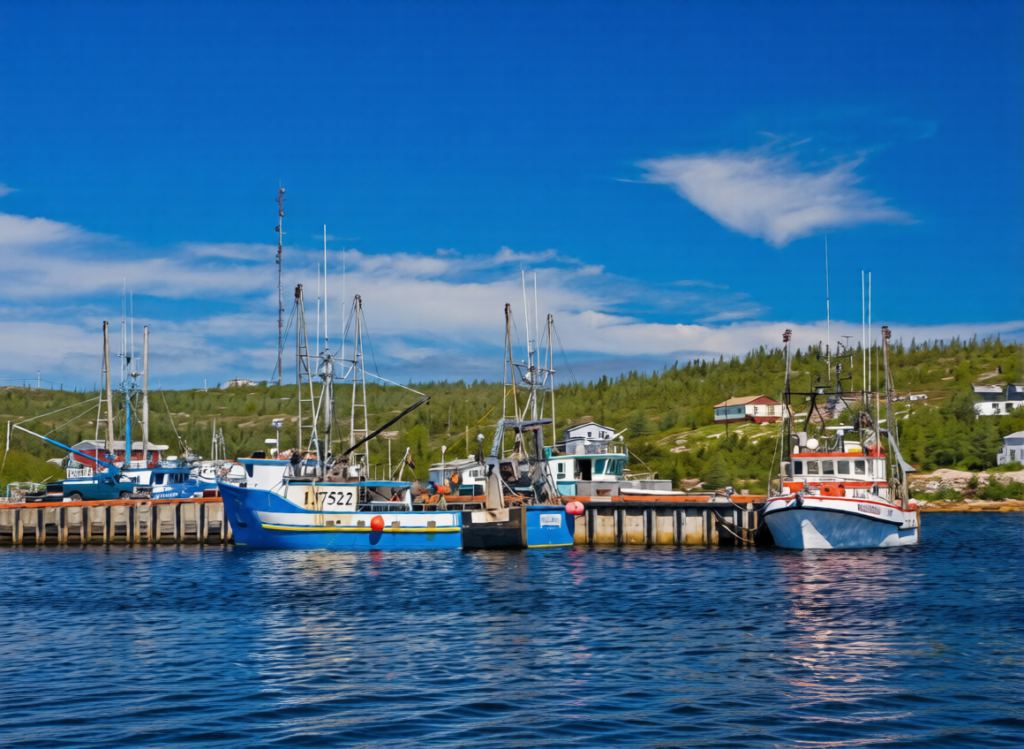
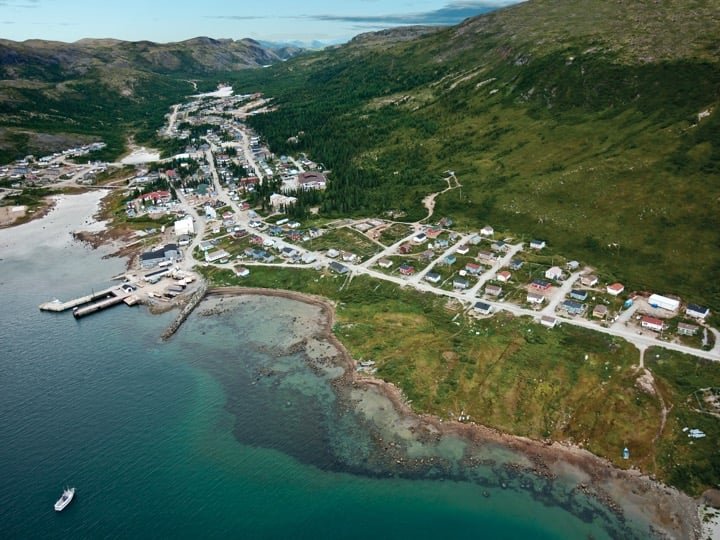
St. Mary's Harbour
Gateway to southeast REE districts
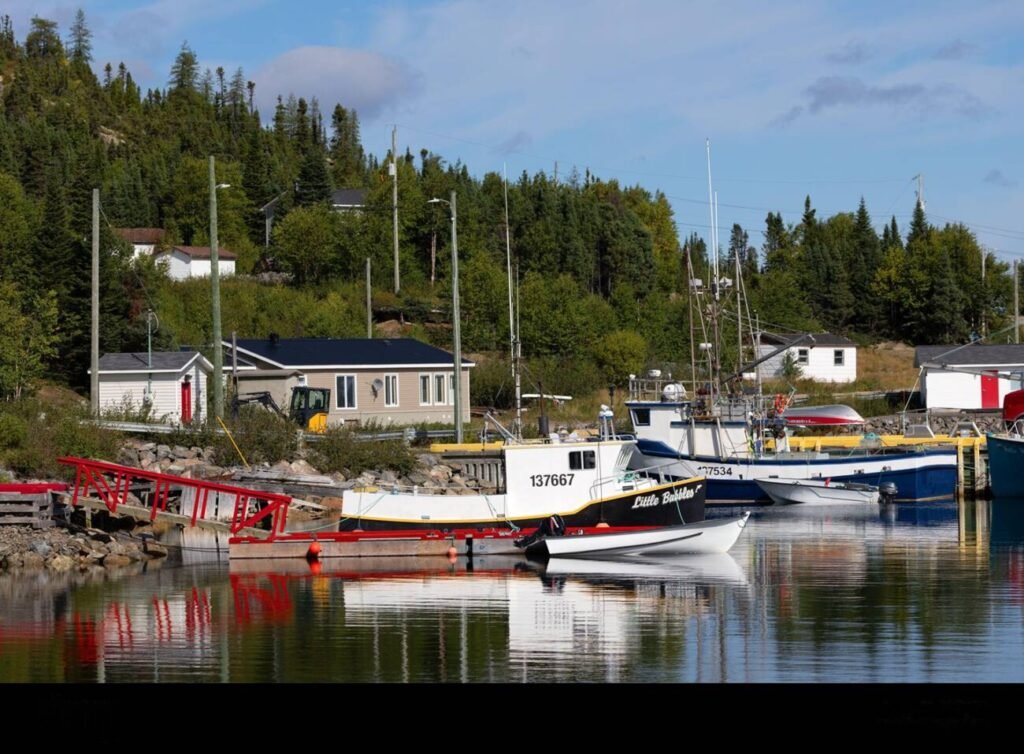
Nain
Northern hub of Nunatsiavut
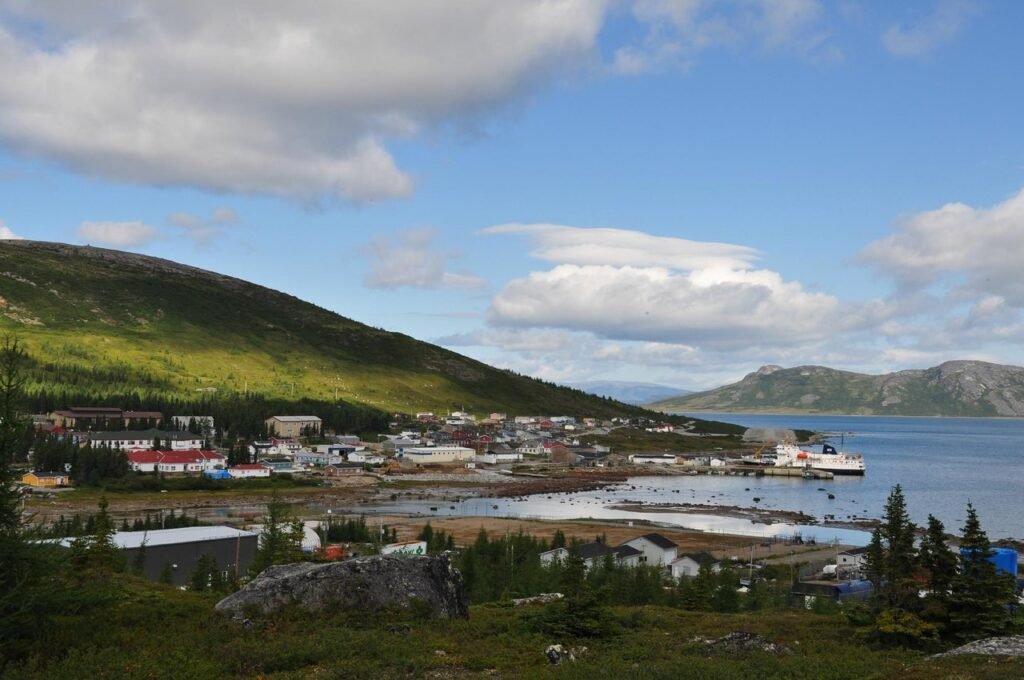
Port Hope Simpson
Coastal logistics and community base
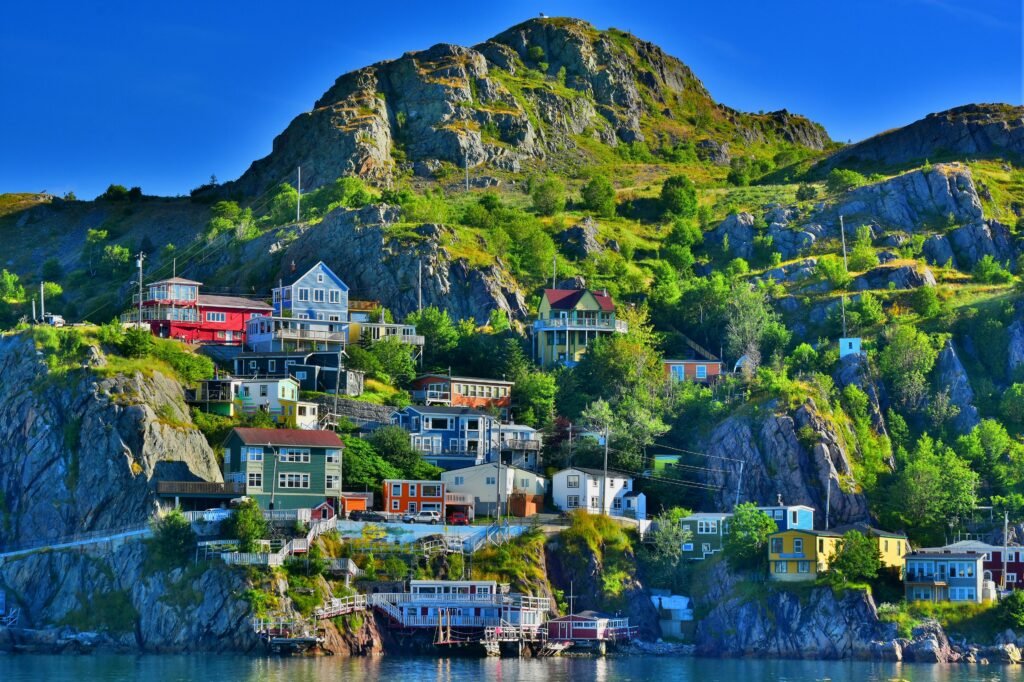
Happy Valley–Goose Bay
Central Labrador’s main service hub
Labrador City
Western mining and industrial centre
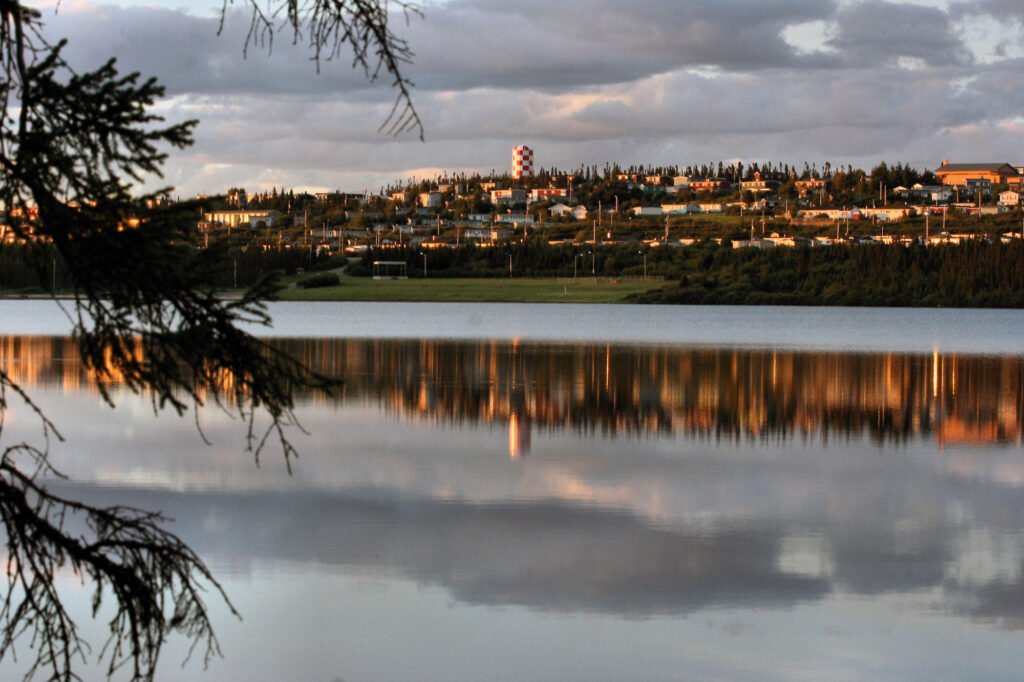
Wabush
Iron ore industry community
Mining is the second-largest contributor to Newfoundland and Labrador’s provincial economy and is expected to grow in significance as the critical minerals transition accelerates. The development of rare earth assets across the region creates a direct pathway to high-quality, long-term employment particularly relevant in communities where traditional industries have declined and economic diversification is a priority.
REGIONAL IDENTITY
People, Place, and Partnership
Labrador has a distinctive cultural identity shaped by centuries of Indigenous habitation, European settlement, and a shared relationship with one of the most demanding natural environments in North America. The region’s character, resilient, self-reliant, and deeply tied to the land is reflected in the communities that have built lives here across generations.
Indigenous People of Labrador
Labrador’s Indigenous people, the Northern Inuit of Nunatsiavut, the Southern Inuit of NunatuKavut, and the Innu of Nitassinan have maintained a deep and continuous relationship with this land for thousands of years. Their presence, governance structures, and territorial interests are an established and respected dimension of the regional operating environment.
Rare Earths Labrador recognizes the rights of Indigenous communities and is committed to meaningful consultation and engagement at every stage of project development. This includes alignment with applicable environmental and social impact assessment processes, support for benefit-sharing discussions, and respect for free, prior, and informed consent principles in accordance with Canadian law and international standards. Constructive relationships with Indigenous governments are not only a legal requirement, they are a prerequisite for earning and maintaining the social licence to operate in this region.
Environmental Considerations
Operating Responsibly in a Sensitive Landscape
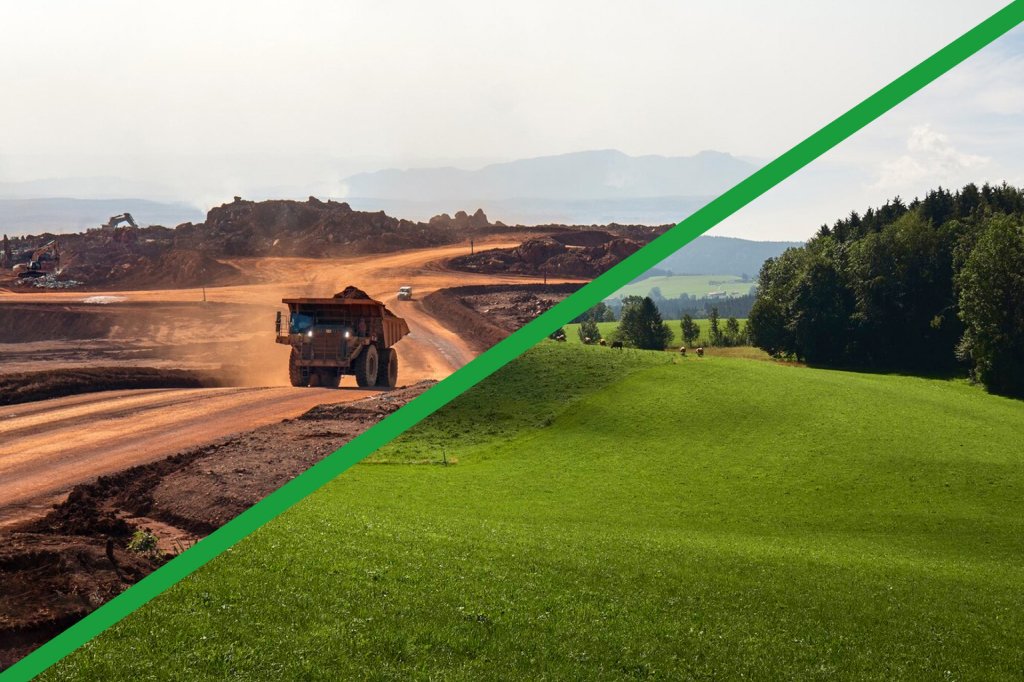
Labrador’s natural environment is one of its defining attributes, and one of the most important dimensions of any responsible operating framework in the region. The landscape encompasses tundra, taiga forest, wetlands, river systems, and coastal ecosystems that support diverse wildlife and underpin the traditional livelihoods of Indigenous and local communities alike.
Rare Earths Labrador’s approach to environmental management rests on three interconnected principles, beginning with minimizing operational impact through low-footprint extraction and processing methods.
Responsible Operations & Low-Impact Approach
Our operational planning prioritizes minimal surface disturbance, progressive site rehabilitation, and the use of metallurgical processing techniques that reduce toxic waste generation and water usage compared to conventional extraction methods.
Regulatory Compliance & Assessment
All projects undergo comprehensive federal and provincial environmental impact assessments, including baseline biodiversity studies, water and air quality monitoring, and transparent public reporting aligned with the Impact Assessment Act of Canada.
Balance of Development & Conservation
We engage with environmental monitoring bodies, Indigenous stewardship programs, and community stakeholders to ensure that mineral development proceeds in a manner that preserves the long-term ecological integrity of the Labrador landscape.
Canada’s regulatory framework for mining is among the most rigorous in the world. For Rare Earths Labrador, this framework is not a constraint it is a competitive differentiator. Responsibly produced rare earths, verified through transparent environmental and social governance processes, command growing premiums from manufacturers and governments seeking secure, ethical sources of supply. Our commitment to environmental integrity is inseparable from our commercial proposition.
Discharge to the environment is managed to be as low as reasonably achievable, with recycling and recovery channels prioritized for water and solid waste management. Topsoil and materials suitable for revegetation are preserved for progressive site rehabilitation across all active areas.
Partner with Rare Earths Labrador
Interested in our mineral assets, investment opportunities, or community engagement.