

Rare Earths Labrador — Why It Matters
Industry Impact & Applications
The clean energy transition runs on rare earth elements. Labrador holds the supply and the mandate to deliver it at scale, on allied terms.
Strategic Context
Critical Minerals at the Core of the Energy Transition
Rare earth elements are irreplaceable inputs across the clean energy and advanced mobility sectors. Wind turbines, EV motors, and grid-scale storage systems all depend on them in ways that cannot be straightforwardly substituted. The question for manufacturers and governments is no longer whether rare earths are needed it is where they will come from, under what conditions, and with what supply security.
240%
Projected rise in REE demand for EV batteries,
2023–2026
43 kt
REE demand from EV motors expected in
2025 alone
70%+
Projected neodymium demand growth by
2030 (IEA)
$21B
Projected global rare earth metals market by 2035
43.6% CAGR
Projected annual growth rate of the thorium market by 2030
28%
Projected rise in global uranium demand by 2030
Labrador's REE Profile
The Elements & Why Their Composition Matters
Labrador’s deposits contain meaningful concentrations across both light and heavy rare earth categories directly matching the elemental requirements of clean energy applications. This mixed profile is commercially significant: many global projects are skewed toward light REEs, creating chronic undersupply of the heavier elements that high-performance magnet technology requires most urgently.

Neodymium
Powers permanent magnets in EV motors, wind turbines, and consumer electronics.
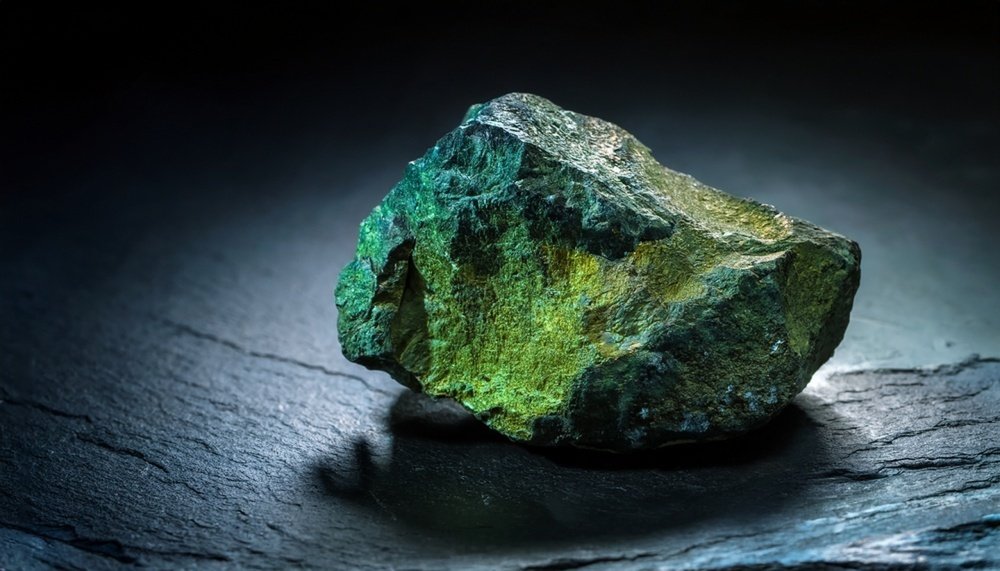
Uranium
A critical energy mineral used to generate low-carbon nuclear power for global energy security.

Dysprosium
Enhances magnet performance at high temperatures critical for EVs and defence systems.

Praseodymium
Essential for aircraft alloys and high-performance magnets used in green technology.

Thorium
A strategic mineral with potential for advanced nuclear energy and next-generation reactor technologies.
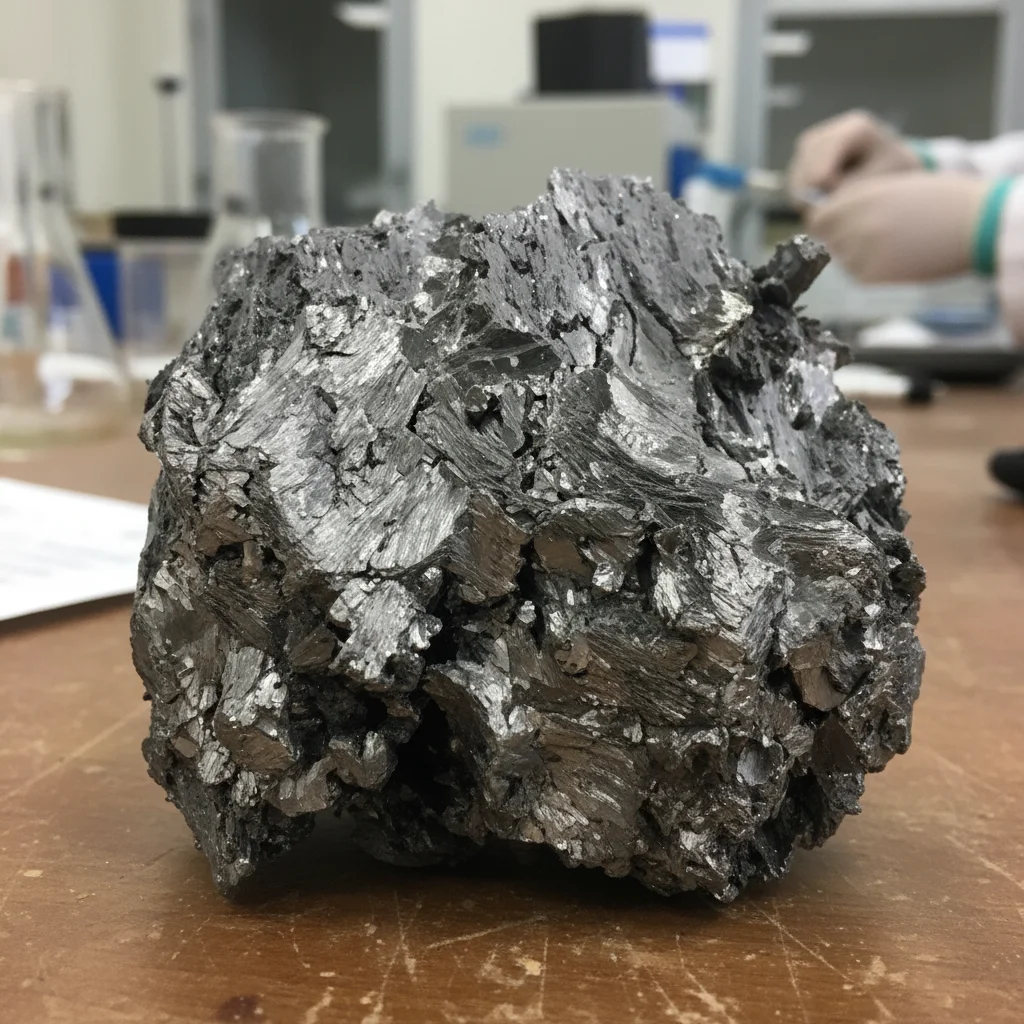
Terbium
Used in energy-efficient lighting, green phosphors, and display technologies.
Application Sectors
Where Labrador's Rare Earths Go to Work
Electric Vehicles & EV Motors
The Largest & Fastest Growing Source of
REE Demand
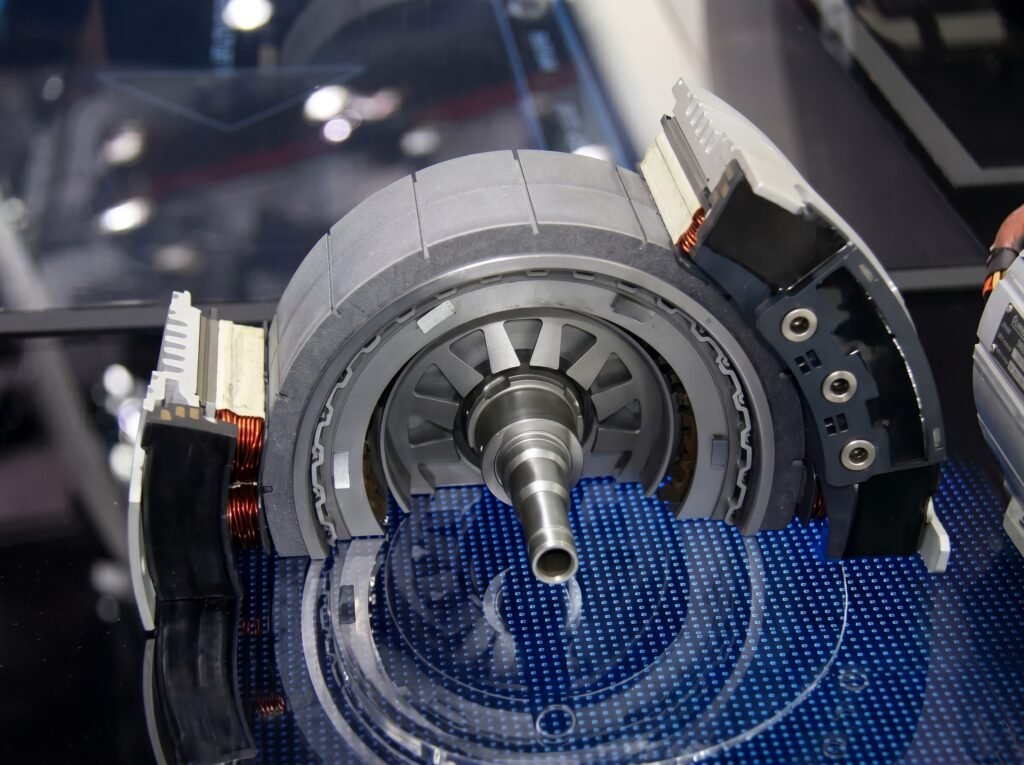
Permanent Magnet Synchronous Motors (PMSMs) accounted for over 86% of the EV motor market in 2024. Every PMSM-equipped electric vehicle contains between one and three kilograms of NdFeB rare earth magnet material — and demand is accelerating faster than non-Chinese supply can currently match.
As Western automakers race to qualify non-Chinese REE sources, production-ready assets in allied jurisdictions like Labrador command significant premiums in offtake negotiations.
- 86% of EV motors use PMSMs
- 1-3Kg REE per vehicle
- NdPr – Primary Input
Grid Storage & Battery Technology
The Infrastructure Layer Behind Renewable Energy
Cerium and lanthanum — present in Labrador’s deposit profile — are active inputs in advanced battery cathode chemistry and fuel cell systems designed for long-duration grid storage. As grid operators accelerate renewable capacity additions toward 2030 and 2035 targets, REE demand across both generation and storage layers is compounding rapidly.
Labrador’s mixed REE profile positions it as a meaningful supplier across both dimensions of this build-out.
- Ce & La – Battery inputs
- Fastest growing segment 2026-2035
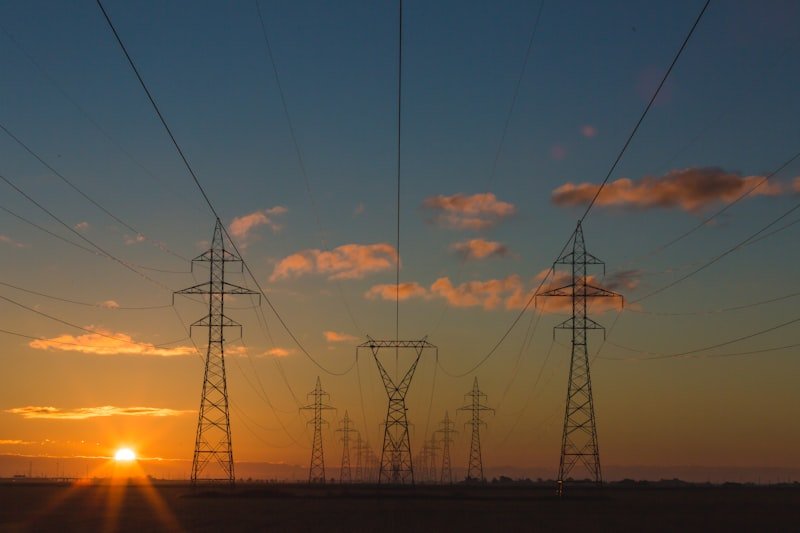
Clean Energy & Wind Power
A Tonne of Rare Earths
Per Turbine at Scale
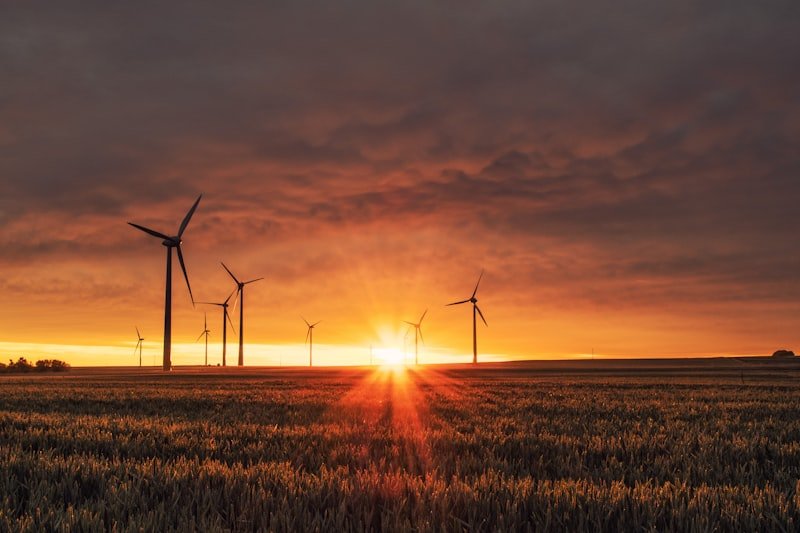
Direct-drive wind turbines use permanent magnet generators containing approximately one tonne of rare earth material per megawatt of installed capacity. With global offshore wind capacity targeted to exceed 400 GW by 2035, the cumulative REE requirement for wind generation alone is a supply challenge of the first order.
Labrador’s abundant hydroelectric power also means operations run on genuinely low-carbon electricity — strengthening the lifecycle emissions profile of Labrador-sourced REEs.
- ~1 Tonne REE per MW
- 400+ GW offshore target by 2035
- Nd, Pr, Dy, Tb – Key unputs
Why Labrador Specifically
The Supply Gap Labrador Is Positioned to Fill
The challenge facing clean energy industries is not simply one of volume it is geography, compositional profile, processing transparency, and geopolitical integrity all at once. Labrador addresses every dimension of this gap.
Eastern Seaboard Access
Direct Atlantic shipping access to US east coast and European industrial markets — a logistical advantage landlocked or Pacific-facing sources cannot match for these customer bases.
Heavy & Light REE Balance
A rare combination of both light and heavy REEs — directly matching magnet-critical demand at a time when Dy and Tb supply from non-Chinese sources is critically constrained globally.
Allied Procurement Access
As a Five Eyes partner and NATO ally, Canada’s REEs are eligible for allied procurement frameworks that Chinese-sourced materials are categorically excluded from.
Traceable, Auditable Supply
Canadian REEs produced under federal and provincial oversight meet the traceability standards that emerging supply chain due diligence regulations increasingly require.
Low-Carbon Operations
Labrador’s hydroelectric capacity allows mining and processing to run on genuinely low-carbon electricity improving lifecycle emissions versus coal-grid competitors.
Advanced Development Stage
Key projects have NI 43-101 compliant resource estimates and active federal permitting underway reducing development risk for offtake partners and institutional investors.
New primary production from non-Chinese jurisdictions is structurally necessary on timescales that recycling and substitution alone cannot address. Labrador’s combination of geological endowment, allied-nation status, ESG credentials, and infrastructure trajectory makes it one of the most credible answers to that requirement available in North America today.
Partner with Rare Earths Labrador
Interested in our mineral assets, investment opportunities, or community engagement.